From Interface Creators to Strategic Partners Shaping Business Outcomes.
For years, Product Designers were often evaluated by their ability to create beautiful interfaces, intuitive interactions, and consistent visual experiences.
Those skills still matter.
But the expectations surrounding Product Design are changing.
Today, organizations need designers who can do more than translate requirements into screens. They need professionals who understand users, identify opportunities, challenge assumptions, and connect design decisions to business objectives.
The role of the Product Designer is evolving from interface creation to strategic problem-solving.
And this evolution changes not only how we design products, but also how we contribute to the organizations building them.
Beyond the Interface
Designing an interface is only one part of creating a successful digital product.
Before a screen is designed, important questions need to be answered:
What problem are we trying to solve?
Who experiences this problem?
Why does it matter to the business?
What alternatives should we consider?
How will we know if our solution works?
These questions require strategic thinking, research, collaboration, and a deep understanding of the product’s context.
A Product Designer who understands these dimensions can contribute much earlier in the product development process.
Instead of simply receiving requirements, designers can help shape them.
Instead of asking how a feature should look, they can question whether the feature is necessary in the first place.
That is where design begins to create a broader impact.
From Deliverables to Outcomes
Traditional design workflows often emphasize deliverables.
Wireframes.
Prototypes.
UI components.
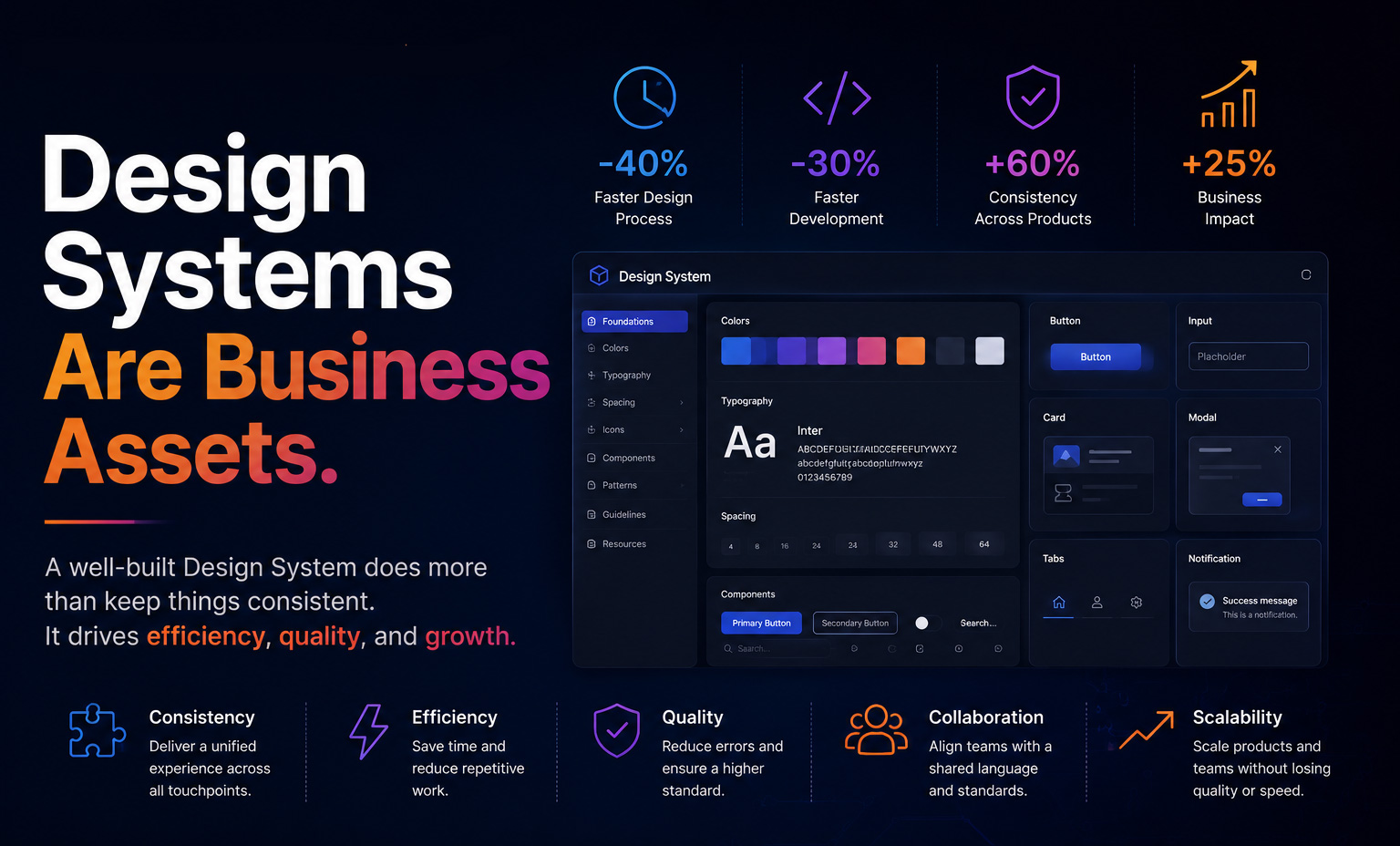
Design systems.
Documentation.
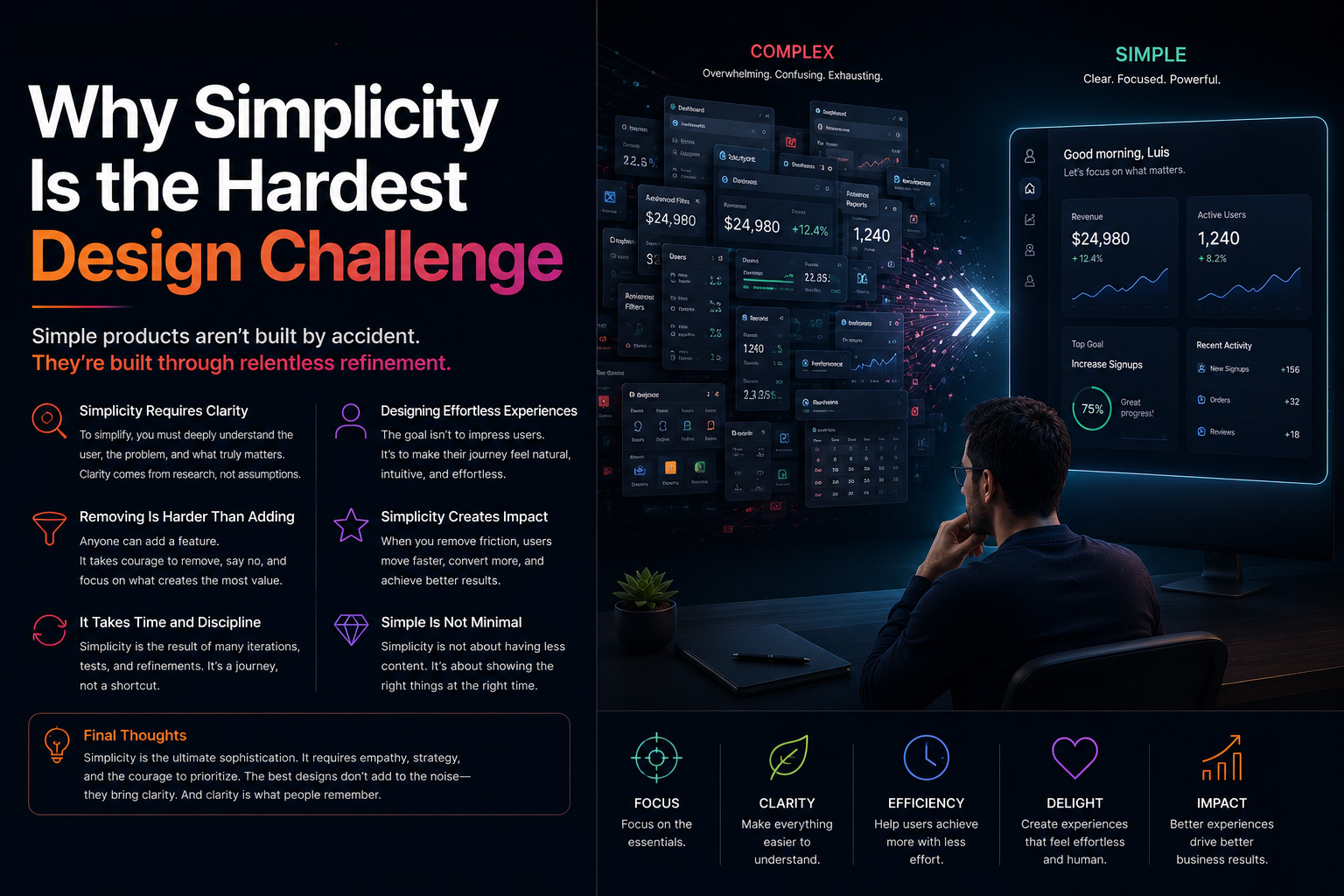
These are important tools, but they are not the ultimate measure of success.
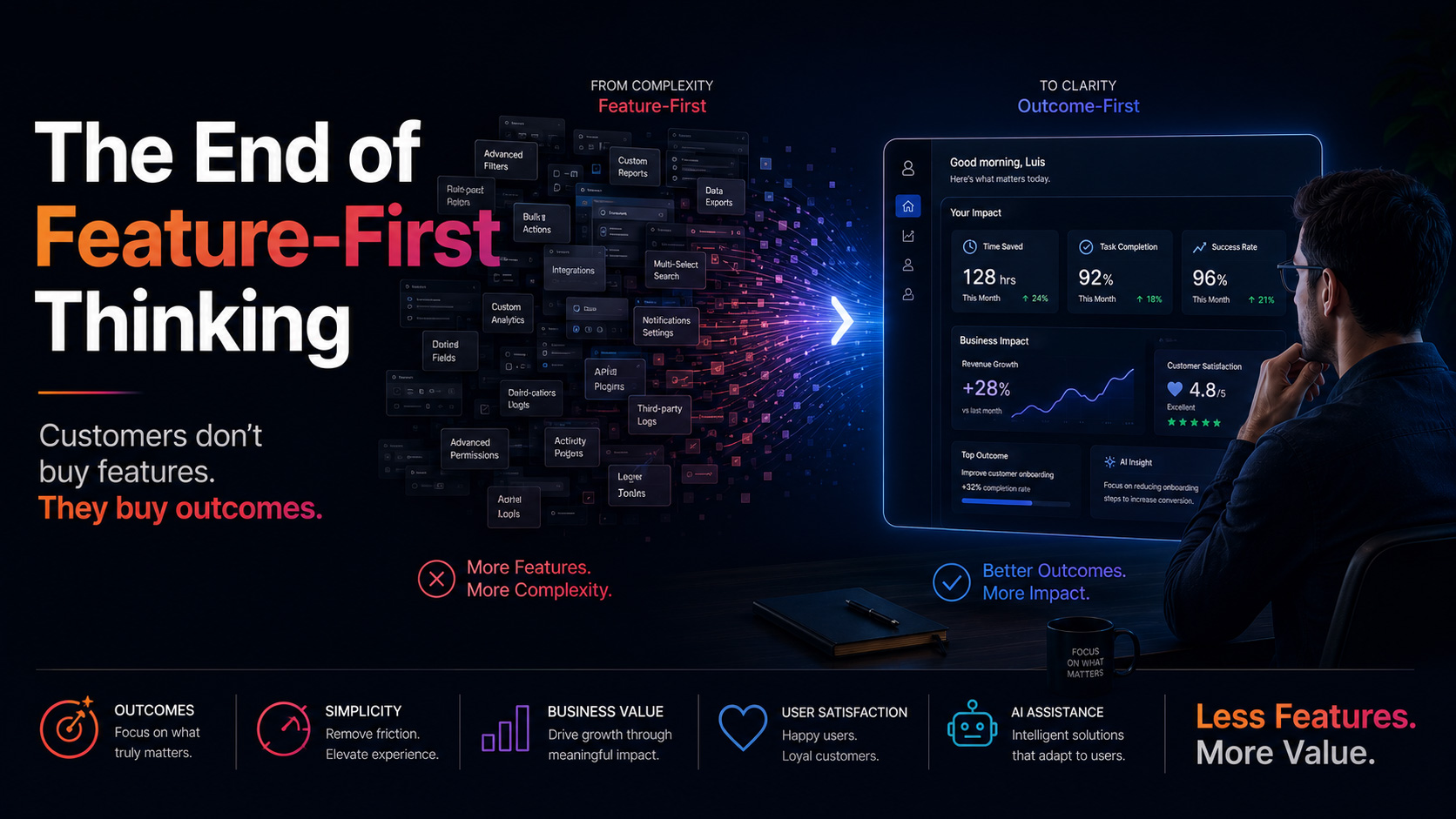
The real question is whether the work improves the product and creates meaningful value.
For example:
A redesigned checkout process should not be evaluated only by its visual quality. It should also be assessed by its impact on conversion, usability, and customer confidence.
A new onboarding experience should be measured by how effectively it helps users understand the product and reach their first meaningful outcome.
A new feature should be evaluated by whether it addresses a genuine user need and contributes to the product’s objectives.
Great Product Designers focus not only on what they deliver, but on what their work makes possible.
Understanding the Business
Product Design doesn’t happen in isolation.
Every product operates within a business environment shaped by market conditions, customer expectations, operational constraints, and organizational priorities.
Understanding that environment helps designers make more informed decisions.
This includes developing familiarity with:
Business models and revenue streams
Customer acquisition and retention
Product adoption and engagement
Market positioning and competition
Operational efficiency
Product performance metrics
Designers don’t need to replace Product Managers, business analysts, or other specialists.
However, understanding their perspectives makes collaboration more effective.
It also helps designers explain why a particular experience matters beyond its appearance.
When design decisions are connected to business objectives and user needs, design becomes a more influential part of product strategy.
Research Is a Strategic Advantage
Assumptions are inevitable in product development.
The problem begins when assumptions become decisions without being properly examined.
Product Designers can help reduce uncertainty through research and validation.
That may involve user interviews, usability testing, behavioral analytics, customer feedback, or competitive analysis.
The goal isn’t to collect research for its own sake.
It’s to uncover insights that help teams make better decisions.
Research can reveal that a frequently requested feature isn’t addressing the underlying problem.
It can show that users are struggling with an existing workflow rather than asking for additional functionality.
It can also uncover opportunities that weren’t visible when the project began.
Better understanding leads to better product decisions.
Collaboration Is Part of the Design Process
Successful digital products are built by multidisciplinary teams.
Product Designers collaborate with Product Managers, engineers, researchers, marketers, data analysts, and business stakeholders.
Each discipline brings a different perspective.
Engineering helps determine technical feasibility.
Product Management connects priorities, strategy, and execution.
Research provides evidence about users and their behavior.
Business stakeholders contribute market knowledge and organizational objectives.
Design brings these perspectives together to help create useful, usable, and coherent experiences.
This requires more than presenting polished mockups.
It requires listening, communicating clearly, facilitating discussions, challenging assumptions constructively, and finding solutions that balance different constraints.
The designer’s influence often depends as much on the quality of collaboration as on the quality of the interface.
AI Is Expanding the Designer’s Responsibilities
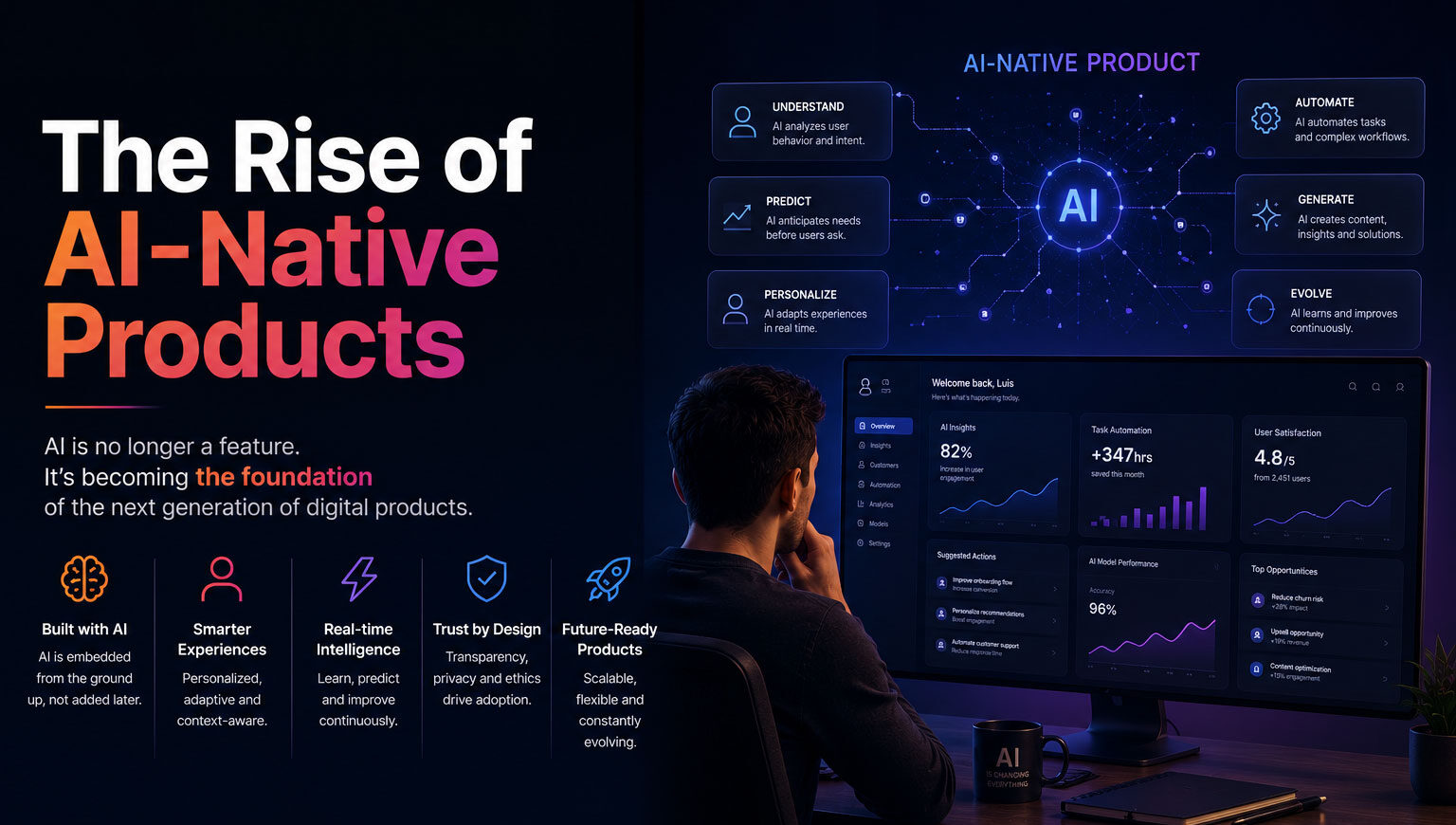
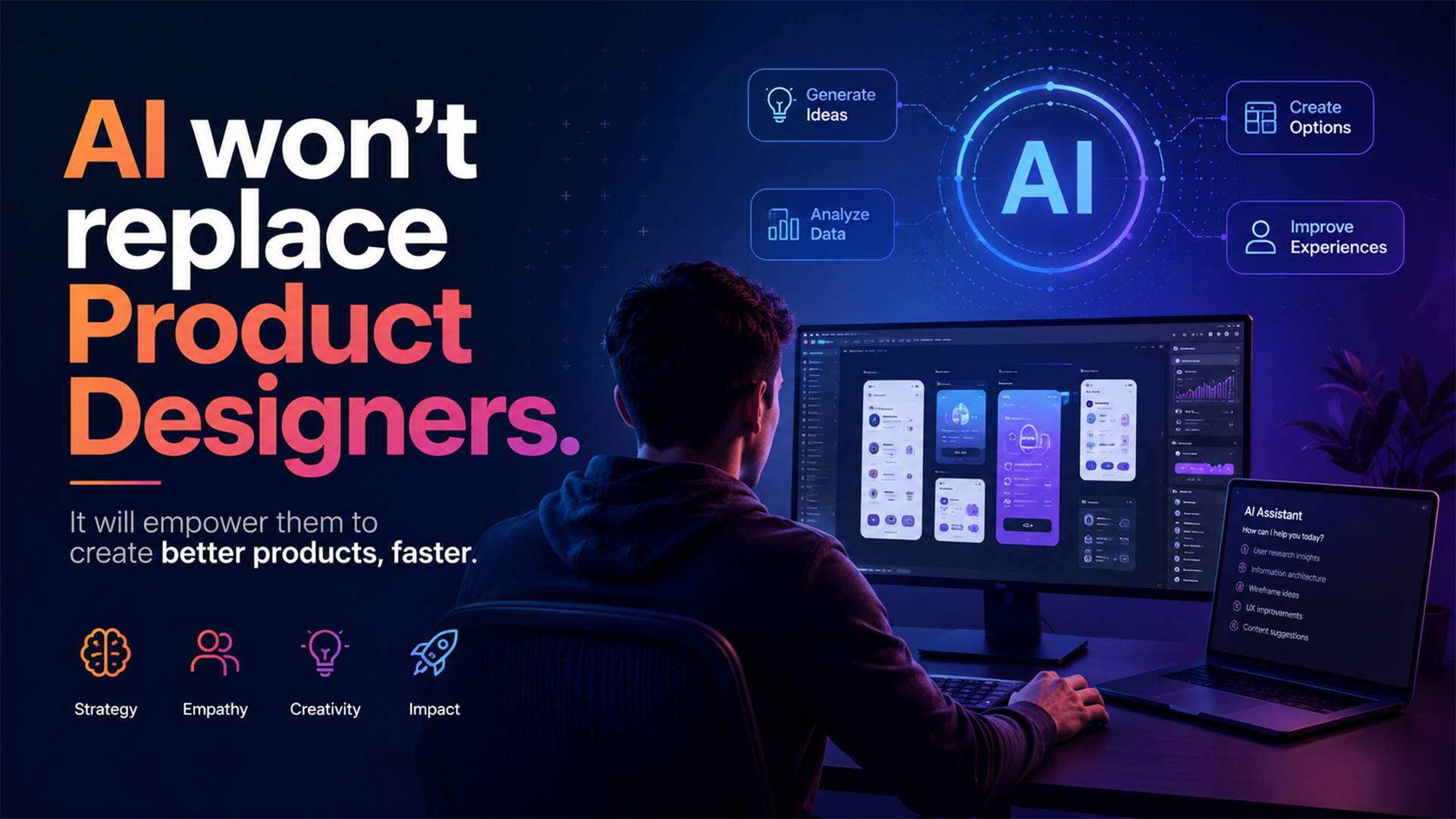
Artificial Intelligence is introducing new possibilities across the product development process.
It can help teams explore concepts, summarize research, generate content, support prototyping, and accelerate repetitive tasks.
As these capabilities become more accessible, the value of a designer cannot depend solely on producing interface assets quickly.
The more important questions become:
Are we solving the right problem?
Is the AI-generated solution appropriate for the user?
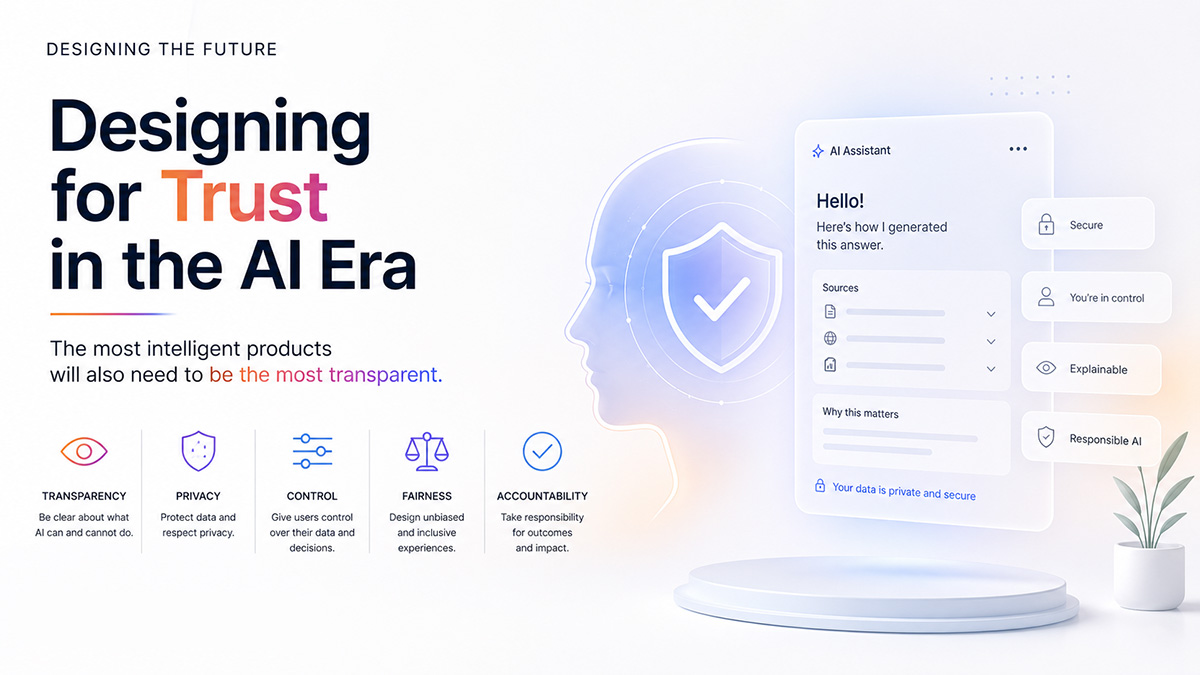
Can users understand and trust the experience?
Where should automation stop and human control begin?
How should the product communicate uncertainty?
What risks or unintended consequences should we consider?
AI can accelerate production, but product decisions still require context, judgment, and accountability.
This creates an opportunity for designers to spend more time on strategy, validation, and the quality of the overall experience.
The Skills That Matter More Than Ever
The evolving role of Product Designers requires a combination of design expertise and broader professional capabilities.
1. Strategic Thinking
Understanding the relationship between user needs, product direction, and business objectives.
2. Systems Thinking
Recognizing how individual features, workflows, teams, and technologies influence the larger product experience.
3. Research and Critical Thinking
Evaluating evidence, challenging assumptions, and making informed decisions under uncertainty.
4. Communication and Influence
Explaining design rationale, facilitating collaboration, and helping teams align around shared goals.
5. Business Awareness
Understanding how product decisions affect customers, operations, growth, and long-term sustainability.
6. Adaptability
Learning new tools, working with emerging technologies, and adjusting design approaches as products and user expectations evolve.
These capabilities complement strong UX and UI fundamentals.
They don’t make visual design less important. They help ensure that visual and interaction decisions serve a meaningful purpose.
Designing at the Intersection of People, Technology, and Business
The most challenging product problems rarely belong to a single discipline.
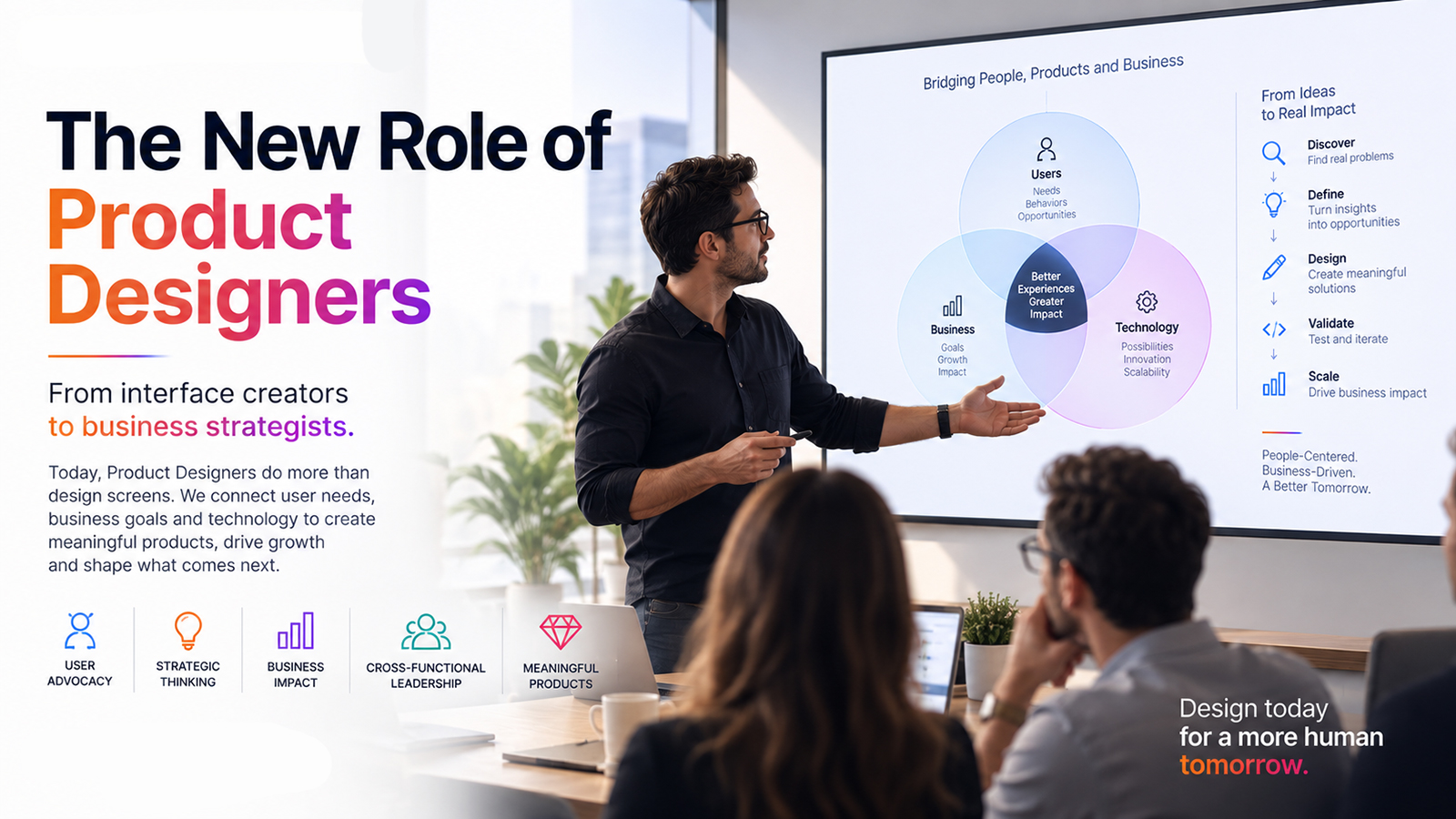
They exist at the intersection of what people need, what technology makes possible, and what businesses can sustainably deliver.
Product Designers are uniquely positioned to help teams navigate that intersection.
They can identify user frustrations, translate complex requirements into understandable experiences, and help organizations recognize opportunities for improvement.
This doesn’t mean designers should own every decision.
It means they should be active participants in the conversations that shape products.
The earlier design contributes to those conversations, the more opportunities there are to influence the direction of the solution.
Final Thoughts
The future of Product Design isn’t about abandoning interfaces, visual craft, or interaction design.
Those remain essential foundations of the discipline.
The opportunity is to build on those foundations.
To understand the problem before designing the solution.
To connect user needs with business objectives.
To collaborate across disciplines.
To use technology thoughtfully.
And to measure success through meaningful outcomes rather than deliverables alone.
Product Designers are not simply responsible for how products look and feel. They’re also responsible for helping teams understand what should be built, why it matters, and how it can create value.
As digital products become more sophisticated, this broader perspective becomes increasingly important.
The designers who embrace it can contribute not only to better interfaces, but to better products, stronger businesses, and more meaningful experiences.
The next chapter of Product Design is not just about designing the product. It’s about helping shape its future.