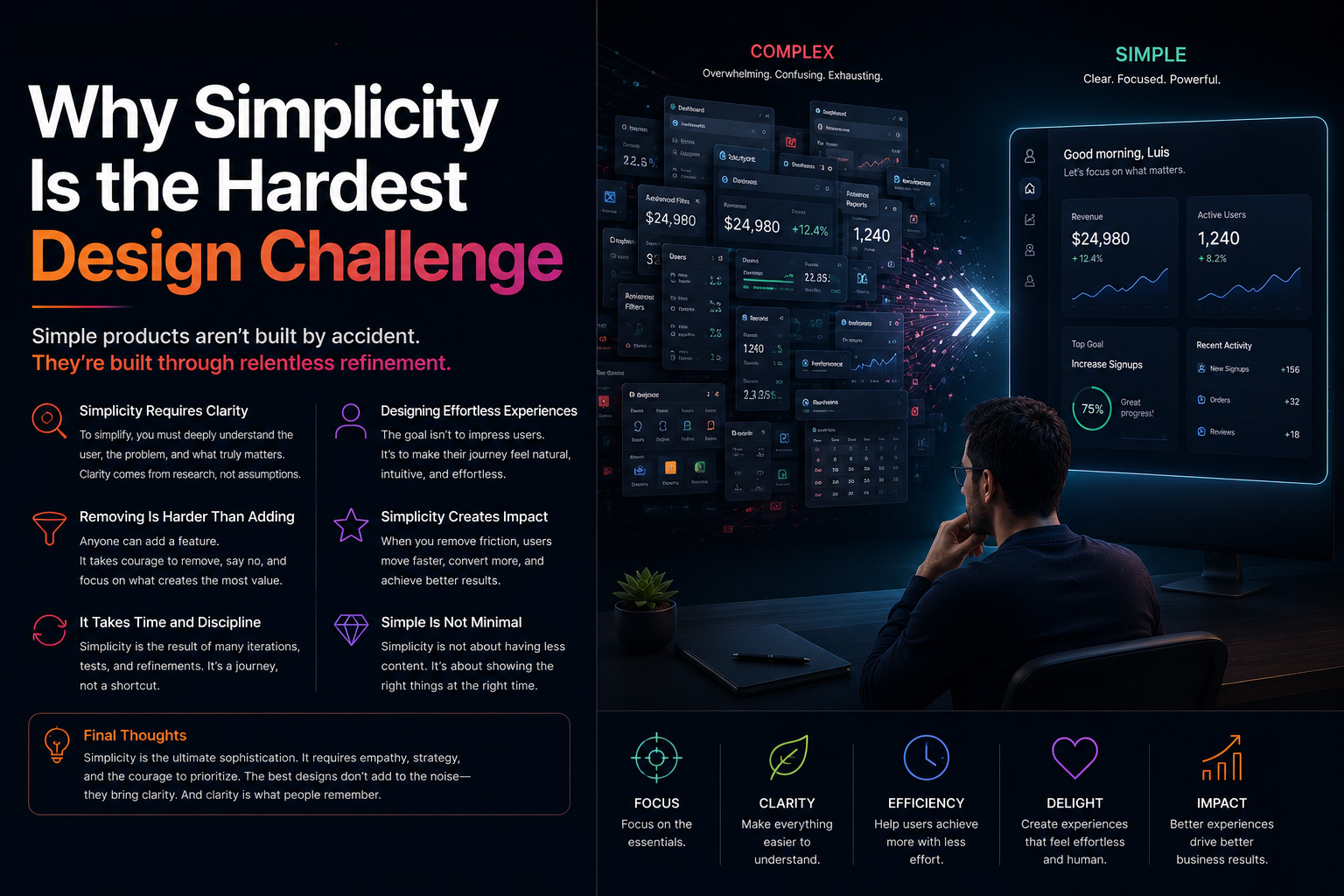
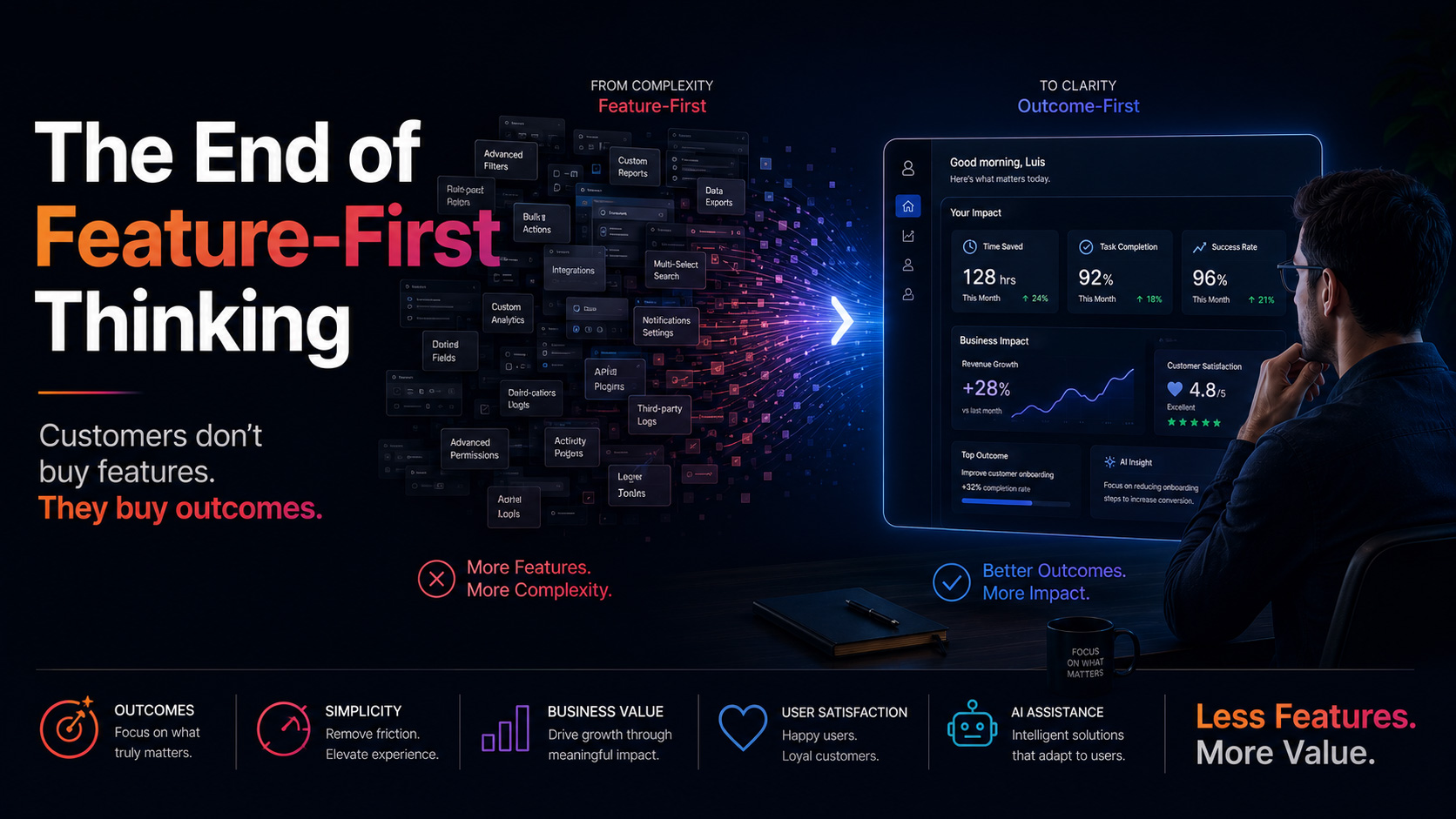
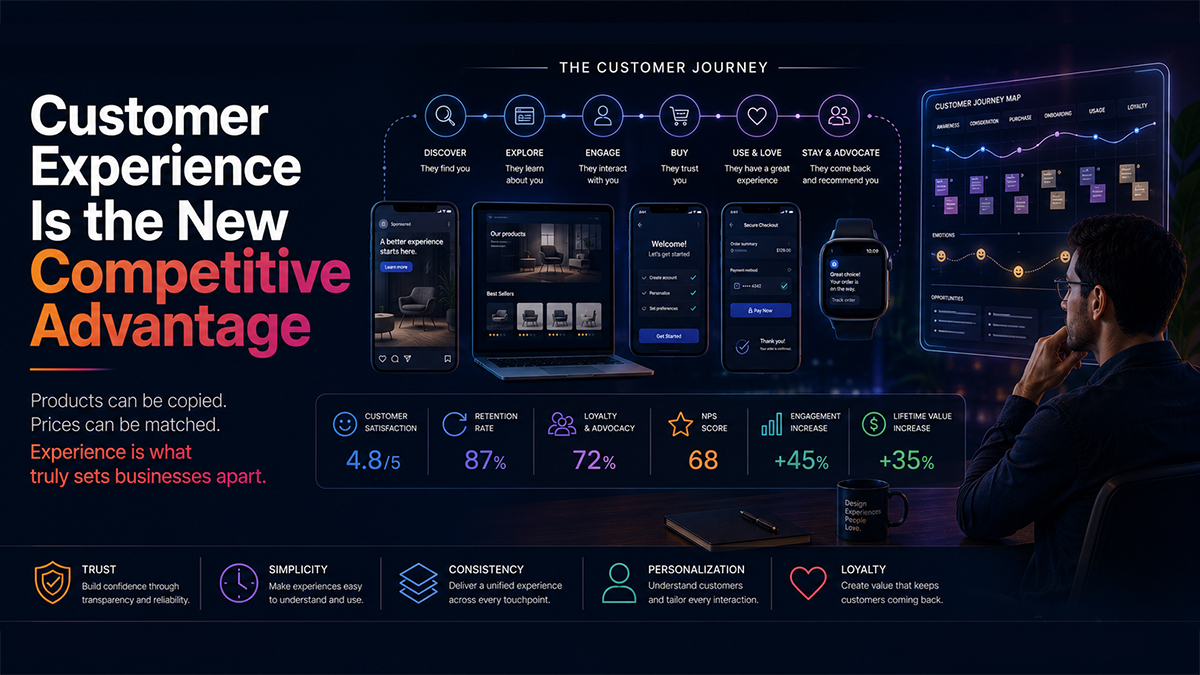
Products can be copied. Prices can be matched. Customer experience is what truly sets businesses apart.
Not long ago, companies competed on price.
Then they competed on features.
Today, both have become easier to replicate.
A competitor can launch a similar product.
Reduce prices.
Offer comparable technology.
But there’s one thing that’s much harder to copy:
**A remarkable customer experience.**
That’s why Customer Experience (CX) has become one of the strongest competitive advantages in the digital economy.
Every Interaction Shapes the Brand
Customer experience isn’t limited to customer support.
It starts long before someone becomes a customer.
It begins with the first advertisement.
The first Google search.
The first website visit.
The onboarding process.
The checkout experience.
The emails.
The notifications.
The product itself.
Even the cancellation process.
Every touchpoint influences how people perceive a brand.
Customers don’t remember isolated screens.
They remember how a company made them feel.
Great Experiences Create Loyal Customers
People rarely become loyal because a product has one extra feature.
They stay because interactions are effortless.
Simple.
Consistent.
Predictable.
The companies customers recommend most usually share the same characteristics:
- They remove friction.
- They communicate clearly.
- They solve problems quickly.
- They respect users’ time.
- They create confidence.
Customer loyalty is built through hundreds of small positive experiences—not one extraordinary moment.
Customer Experience Is Everyone’s Responsibility
Many organizations still believe CX belongs only to the support team.
In reality, every department contributes.
Product Designers shape usability.
Engineers shape performance.
Marketing shapes expectations.
Sales shapes trust.
Operations shape reliability.
Leadership shapes culture.
Customer Experience is not a department.
It’s a business strategy.
The Business Value of Great CX
Investing in customer experience isn’t just about making people happy.
It produces measurable business outcomes.
Organizations that prioritize CX often benefit from:
- Higher customer retention
- Increased lifetime value
- Stronger brand reputation
- More referrals
- Lower acquisition costs
- Higher conversion rates
A better experience doesn’t simply improve satisfaction.
It improves business performance.
Designing Experiences, Not Interfaces
Product Designers are no longer designing screens.
They’re designing relationships.
Every interaction influences how customers perceive a brand.
The smallest details matter.
Loading times.
Microinteractions.
Error messages.
Accessibility.
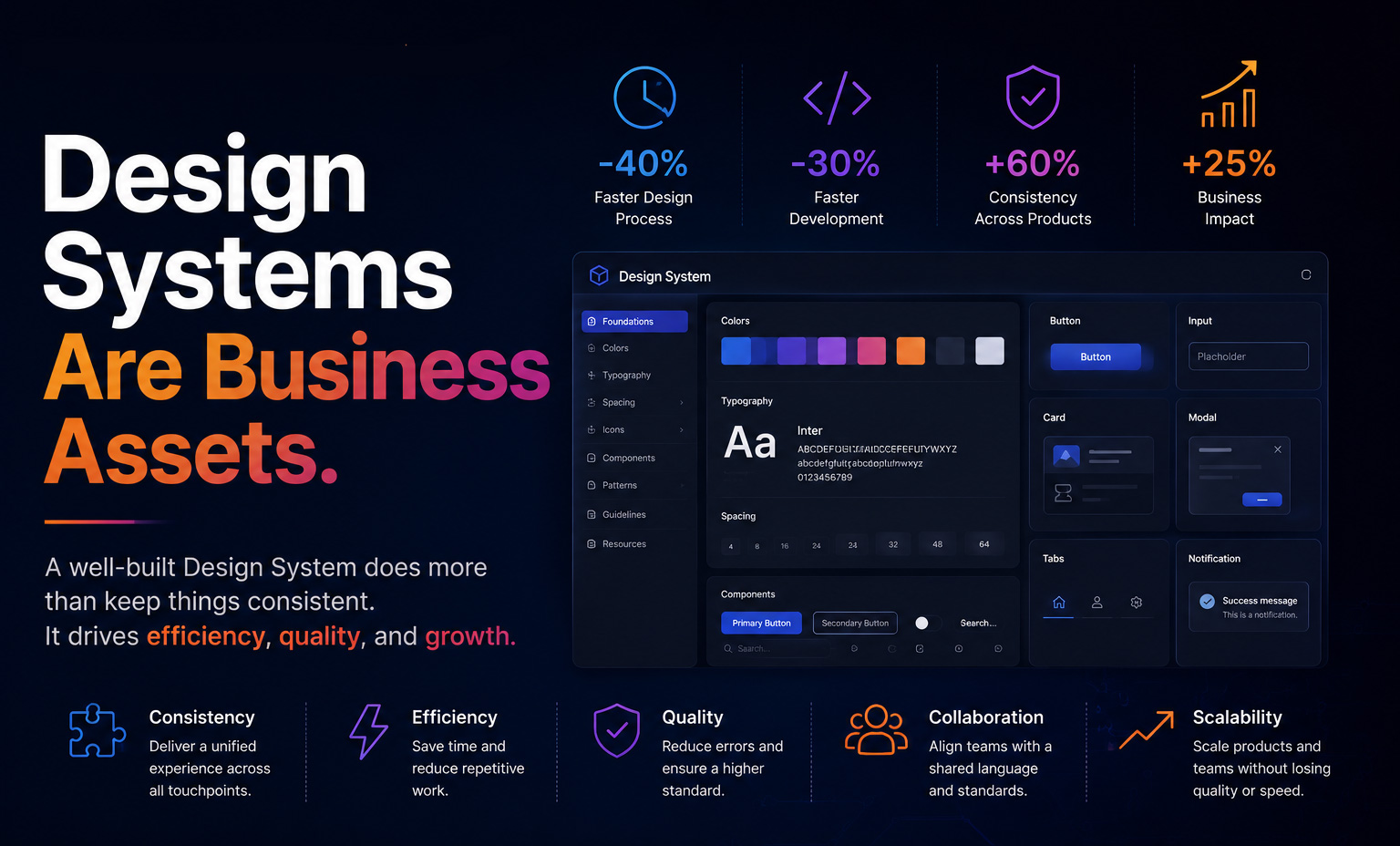
Consistency.
Tone of voice.
These aren’t cosmetic improvements.
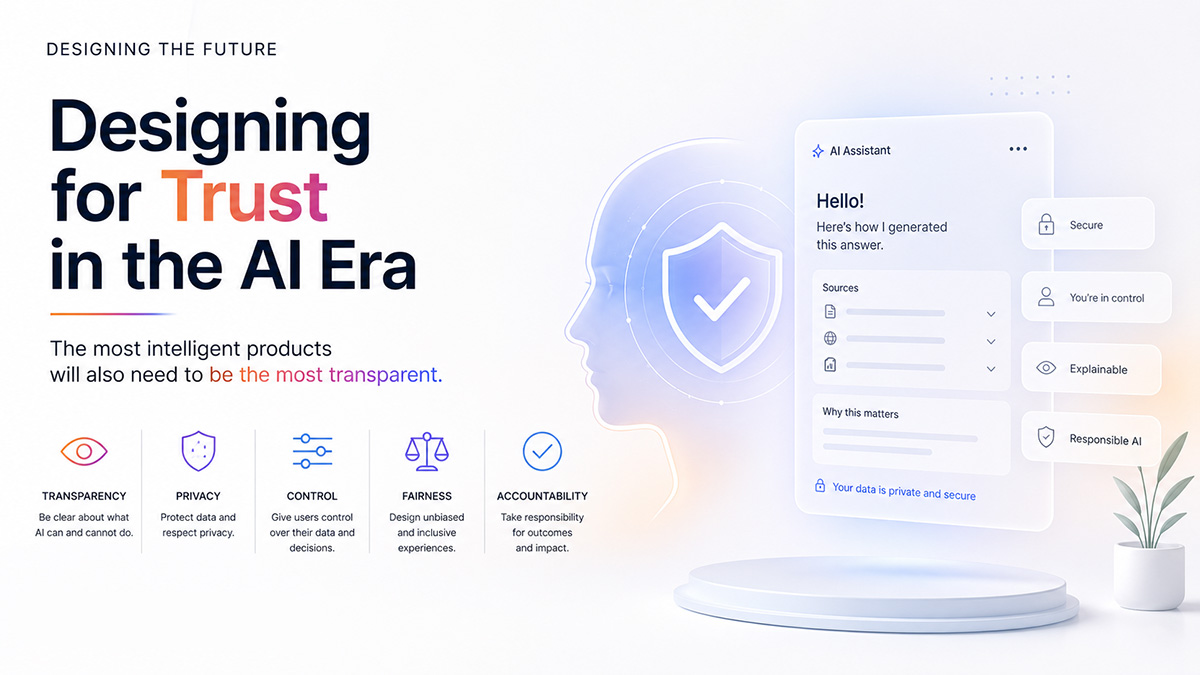
They’re trust-building moments.
Great products succeed because they respect users at every step of the journey.
The Future Belongs to Experience-Led Companies
Technology continues to evolve.
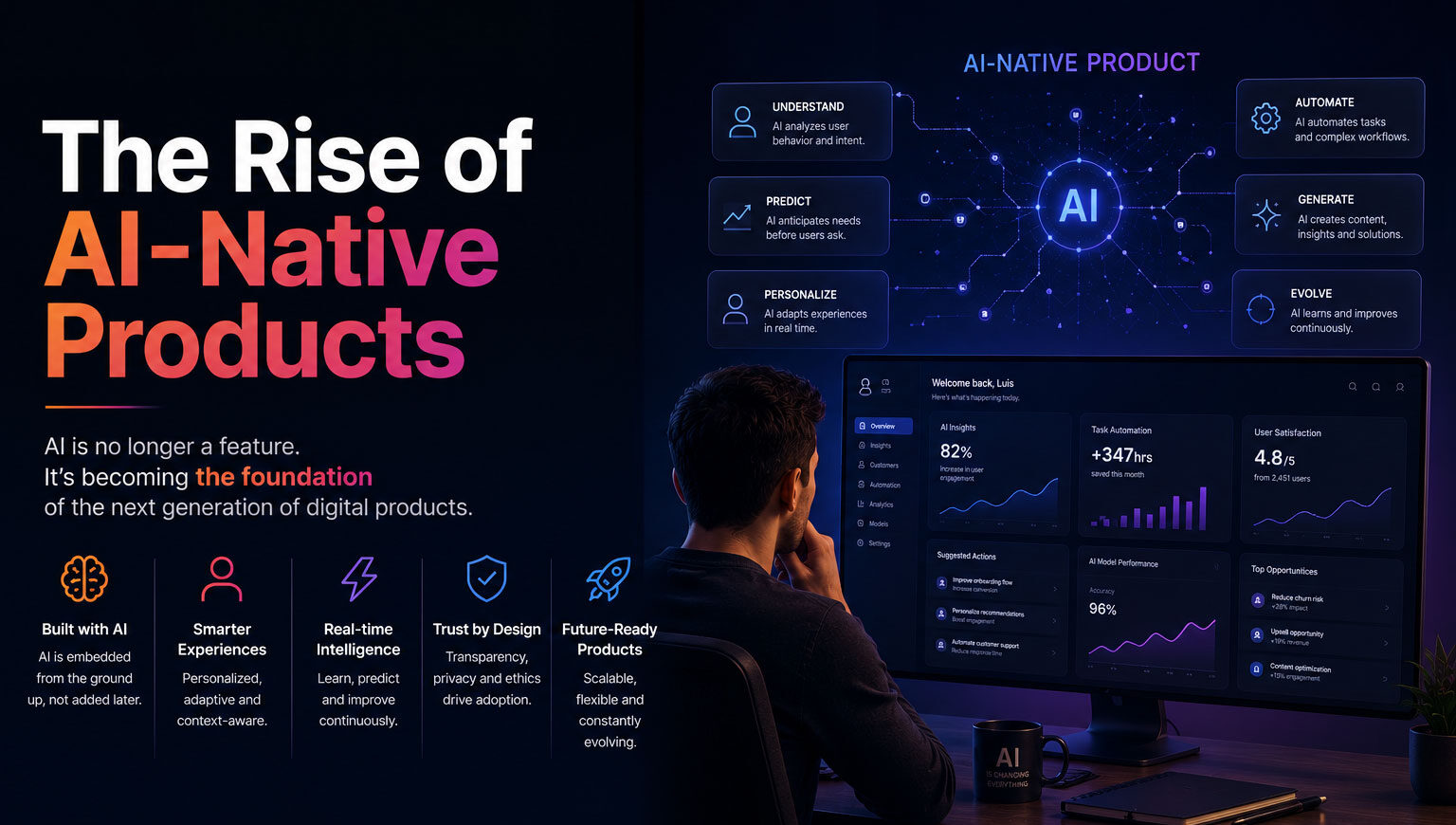
Artificial Intelligence is changing digital products.
Automation is accelerating operations.
But one thing remains constant.
People remember experiences.
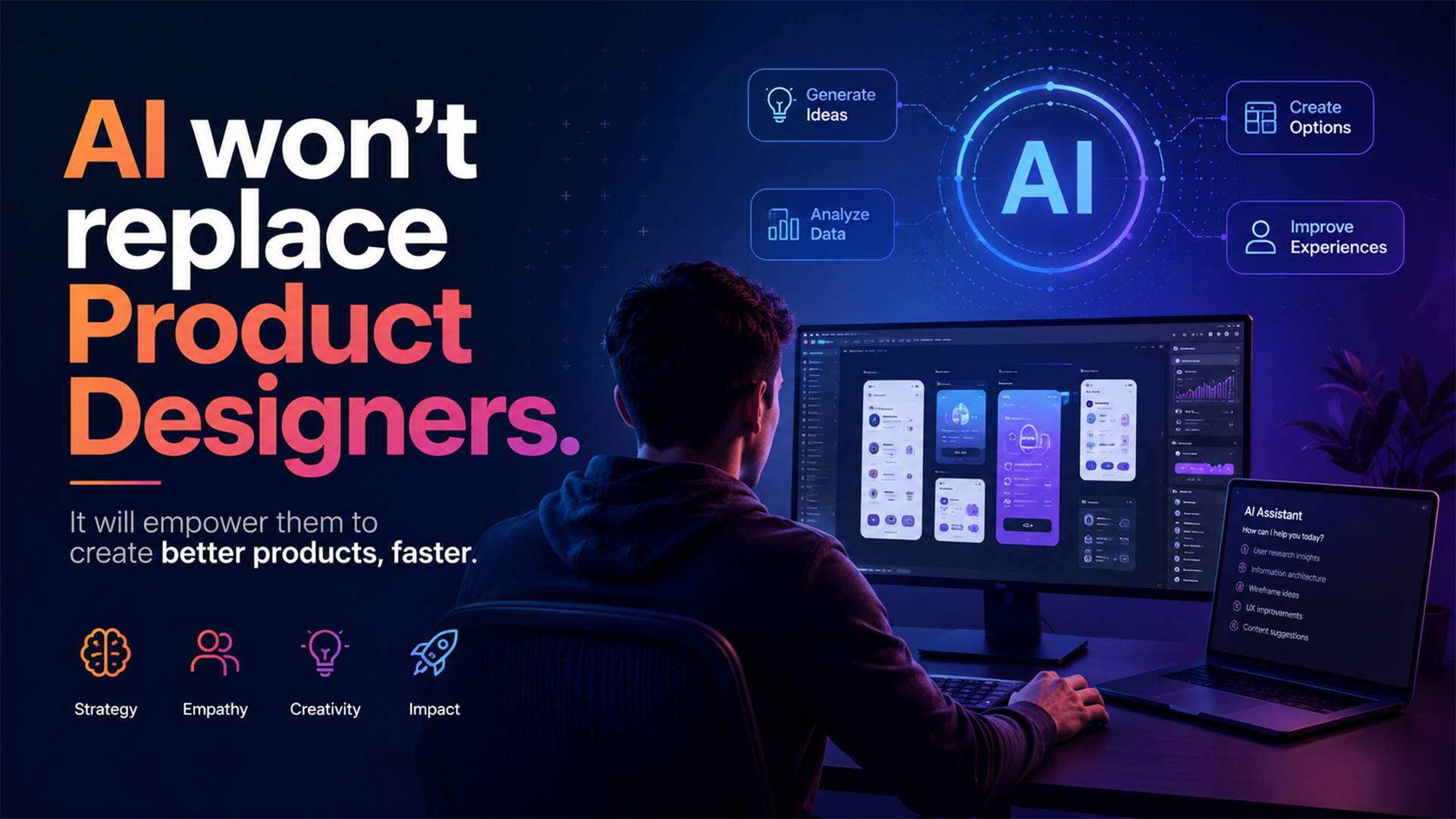
Companies that combine intelligent technology with human-centered design will create products customers don’t simply use.
They’ll choose them.
Recommend them.
And keep coming back.
Final Thoughts
Technology gives businesses new capabilities.
Customer Experience gives those capabilities meaning.
The companies that will lead the next decade won’t necessarily have the most features.
They’ll have the best experiences.
Because in a world where products become increasingly similar…
**Experience becomes the ultimate competitive advantage.**