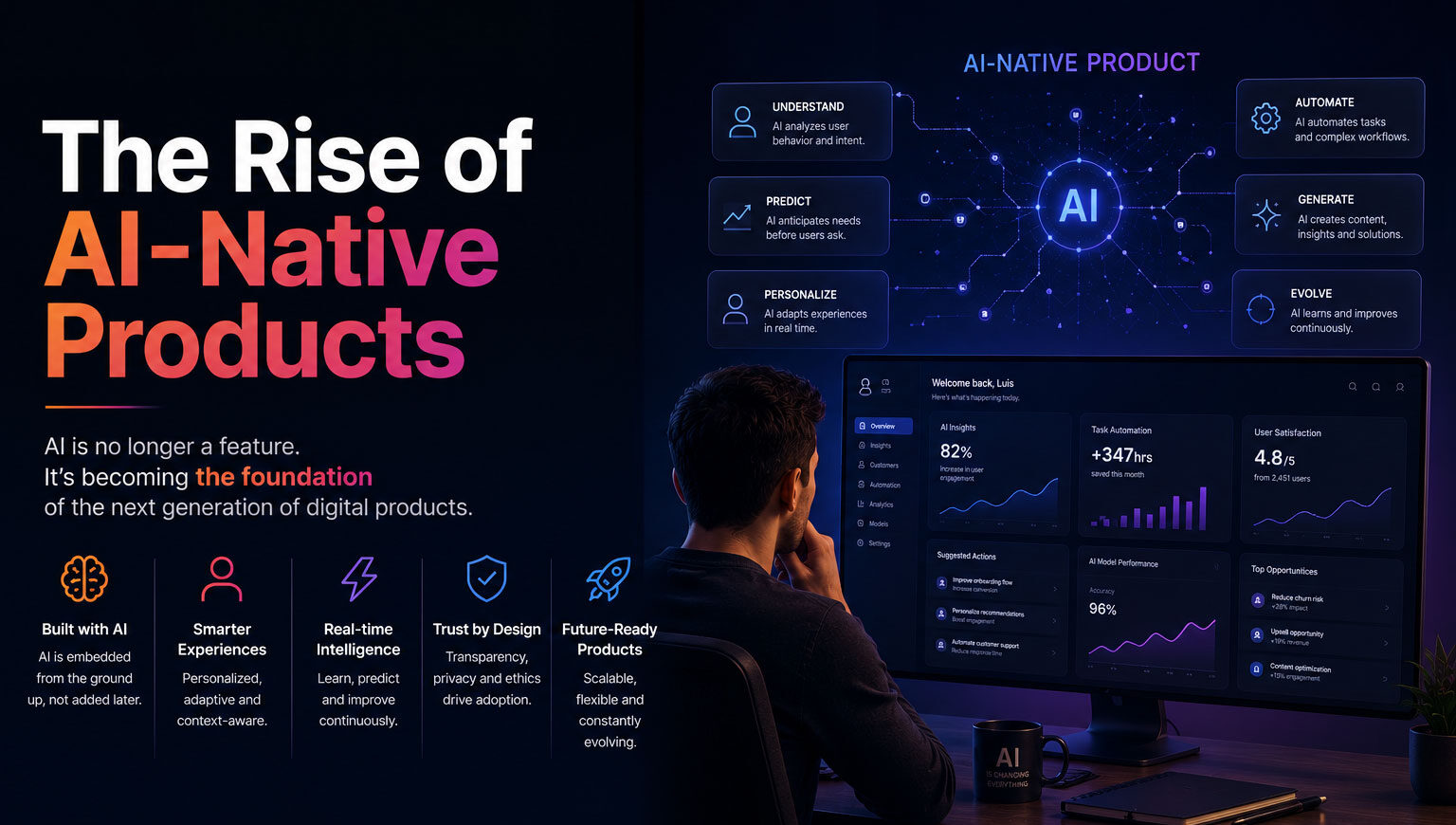
The next generation of digital products won’t simply include AI. They’ll be built around it
Artificial Intelligence has quickly become one of the most discussed technologies in the digital world.
Today, almost every product claims to be “AI-powered.”
But adding an AI chatbot or a recommendation engine doesn’t make a product truly intelligent.
There’s a fundamental difference between AI-enabled products and AI-native products.
That distinction will define the next generation of digital experiences.
AI as a Feature vs. AI as a Foundation
Most products today were designed first.
AI was added later.
Think about traditional CRMs, e-commerce platforms, or productivity tools. Many now include AI assistants that summarize content or automate simple tasks.
Useful? Absolutely.
Transformative? Not necessarily.
AI-native products take a different approach.
Instead of asking, “Where can we add AI?”, they ask:
“If AI existed from day one, how would we design this experience?”
That question changes everything.
Products That Learn
Traditional software follows predefined rules.
AI-native products evolve.
They learn from user behavior, adapt to changing contexts, and improve every interaction over time.
Instead of delivering the same experience to everyone, they create experiences that become more relevant with every use.
The interface becomes dynamic.
The product becomes adaptive.
The experience becomes personal.
Designing for Intelligence
Building AI-native products isn’t just a technical challenge.
It’s a design challenge.
Product Designers must think beyond screens and workflows.
They need to design:
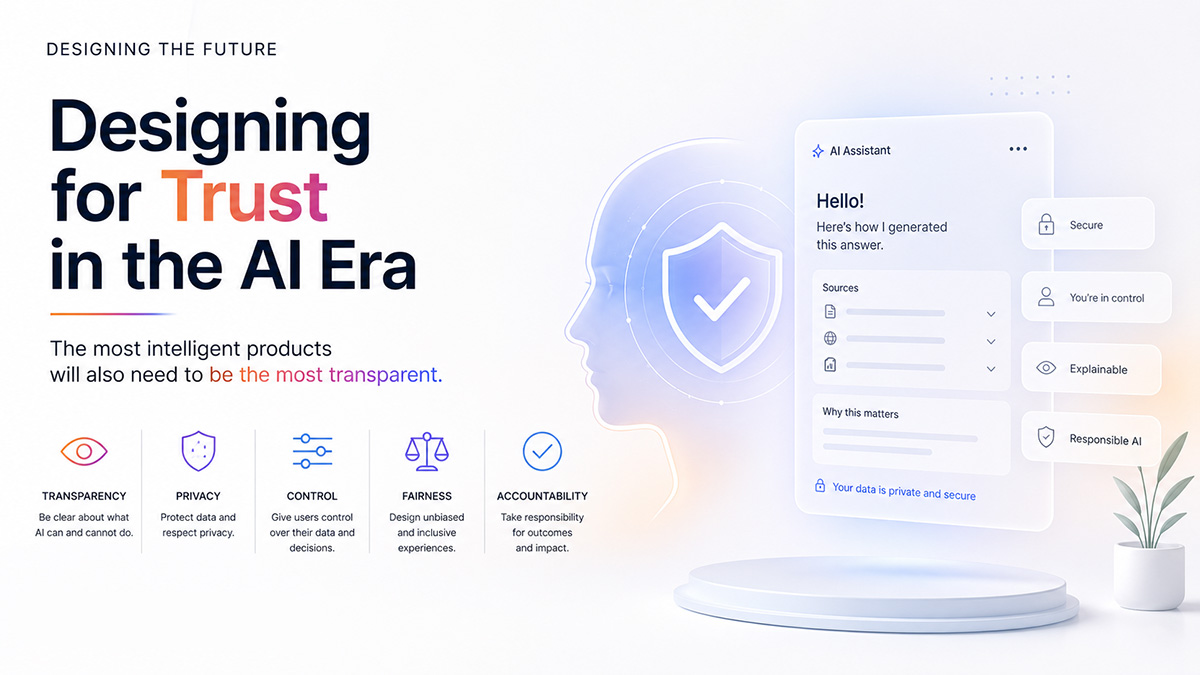
- Trust and transparency
- Human-AI collaboration
- Clear feedback loops
- Explainable decisions
- Ethical interactions
- Adaptive user experiences
The question is no longer “Can AI do this?”
It’s “How should AI behave so users feel confident and in control?”
The Role of Product Designers Is Changing
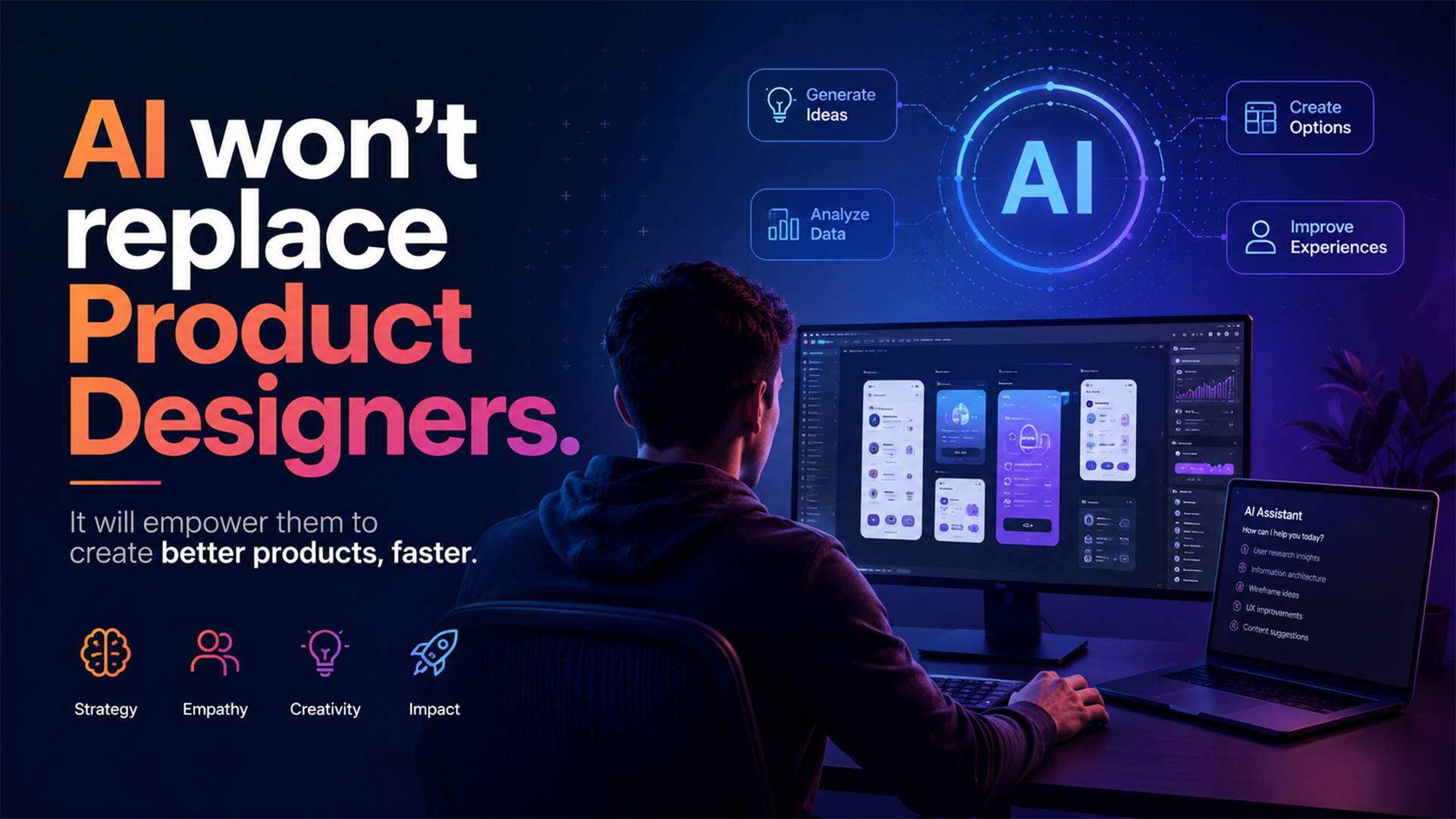
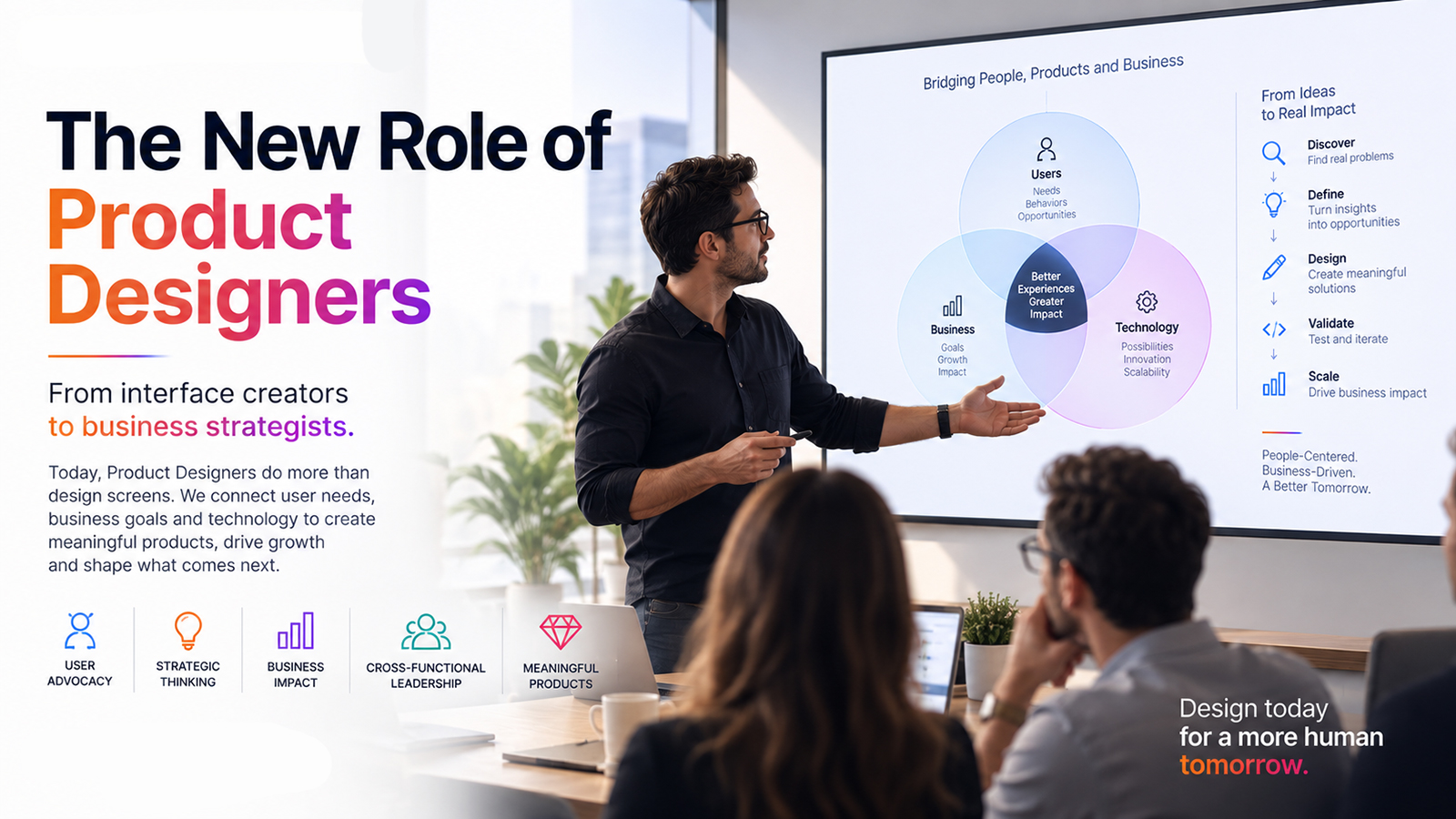
As AI becomes the engine behind digital products, Product Designers become architects of intelligent experiences.
Their responsibility expands beyond interface design.
They help define:
- How users interact with AI
- When automation should occur
- What decisions remain human
- How to communicate uncertainty
- How to build confidence through transparency
Designing intelligent products requires understanding technology, psychology, ethics, and business strategy at the same time.
AI-Native Doesn’t Mean Human-Free
One of the biggest misconceptions is that AI should replace people.
The most successful AI-native products do the opposite.
They amplify human capabilities.
The goal isn’t to remove users from the process.
It’s to eliminate repetitive work so people can focus on creativity, decision-making, and meaningful outcomes.
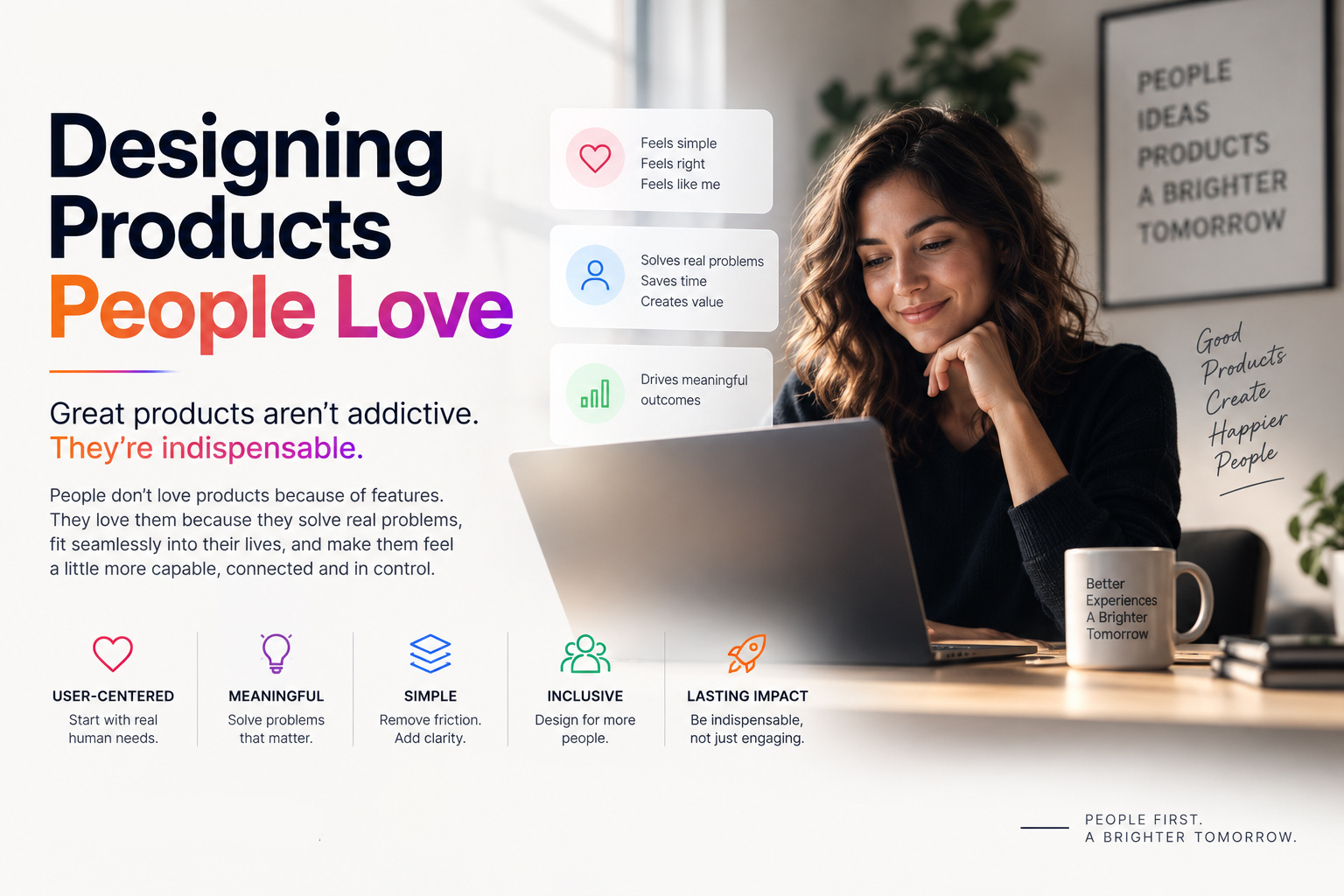
Great AI doesn’t replace human intelligence.
It extends it.
Final Thoughts
We’re entering a new era of product development.
Soon, users won’t ask whether a product uses AI.
They’ll simply expect every digital experience to be intelligent, contextual, and proactive.
The organizations that embrace AI as a foundation, not an afterthought, will define the future of digital products.
And Product Designers will play a central role in shaping that future.
Because the most successful products won’t just respond to users.
They’ll understand them.
They’ll learn from them.
And they’ll evolve with them.